


MEDIA CONTACT
Reach out to us at
media@libd.org
Resources

Biology of Suicide
What if suicide is not only a psychological crisis, but a biological one? Dr. Daniel R. Weinberger explores what science is uncovering about suicide, the clues hidden within the brain, and why understanding its biology could help move us closer to prevention.
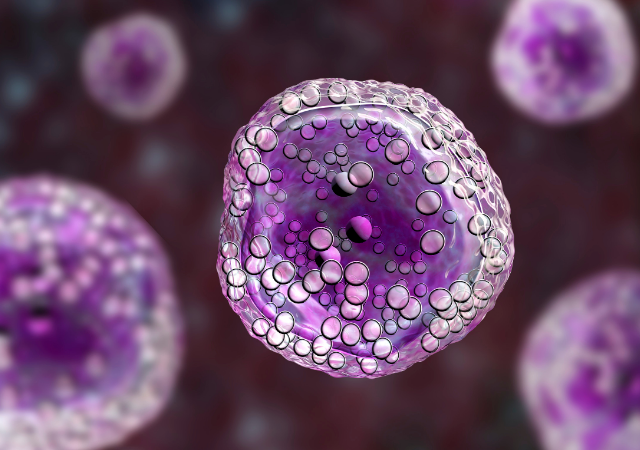
When Brain Cells Stop Listening to Each Other: New Research Unlocks a Hidden Key to Schizophrenia
What if schizophrenia isn't simply about genes that go wrong, but about brain cells that stop talking to each other properly?
That's exactly what groundbreaking new research from the Lieber Institute for Brain Development has uncovered. Published today in Nature Communications, this landmark study reveals that in schizophrenia, entire networks of genes lose their ability to coordinate, like a city's power grid failing not because one bulb burned out, but because the wiring between neighborhoods collapsed.

Differential Expression: Mapping the Dysconnectivity Landscape of Schizophrenia Through Gene Co-Expression Network Topology
Imagine a symphony orchestra where the string and wind sections have stopped listening to each other. The individual musicians may still be playing, but the result is dissonance rather than harmony. New research from the Lieber Institute for Brain Development suggests this is precisely what happens in the brains of people with schizophrenia, not simply that individual genes are "broken," but that entire networks of genes have lost their ability to coordinate properly.
Published in Nature Communications, the study analyzed gene activity across three brain regions in nearly 900 postmortem brain donors, comparing neurotypical individuals with those diagnosed with schizophrenia. Using sophisticated network analysis, researchers identified specific genes — called "differentially connected genes" (DCGs), that lose their normal patterns of coordination in schizophrenia. Critically, findings were confirmed in independent brain cell models, including human brain organoids grown in the laboratory, suggesting the results reflect genuine biology rather than medication side effects.

From The Desk Of Daniel Weinberger, M.D
EXTREME STRESS IN CHILDHOOD IS TOXIC TO YOUR DNA The real story about the ICE policy of separating children or confining them to harsh, frightening circumstances, even infants is not the psychological stress, it’s the biological time bomb. The screaming […]