


Differential Expression: Mapping the Dysconnectivity Landscape of Schizophrenia Through Gene Co-Expression Network Topology
Imagine a symphony orchestra where the string and wind sections have stopped listening to each other. The individual musicians may still be playing, but the result is dissonance rather than harmony. New research from the Lieber Institute for Brain Development suggests this is precisely what happens in the brains of people with schizophrenia, not simply that individual genes are "broken," but that entire networks of genes have lost their ability to coordinate properly.
Published in Nature Communications, the study analyzed gene activity across three brain regions in nearly 900 postmortem brain donors, comparing neurotypical individuals with those diagnosed with schizophrenia. Using sophisticated network analysis, researchers identified specific genes — called "differentially connected genes" (DCGs), that lose their normal patterns of coordination in schizophrenia. Critically, findings were confirmed in independent brain cell models, including human brain organoids grown in the laboratory, suggesting the results reflect genuine biology rather than medication side effects.

Divergent Transcription in the BDNF Locus: Two Novel Genes That May Rewrite Our Understanding of BDNF Regulation and Schizophrenia Risk
Discover the groundbreaking insights from the Lieber Institute's new spatiomolecular atlas of the human nucleus accumbens (NAc). This pioneering research integrates single-cell and spatial transcriptomics, revealing the intricate cellular diversity and spatial organization of the NAc, a key player in reward neuroscience. With findings that bridge the gap between rodent and human data, this atlas not only enhances our understanding of psychiatric disorders but also opens new avenues for therapeutic development. Dive into the details of this transformative study and explore how it reshapes our approach to neuroscience and addiction research.
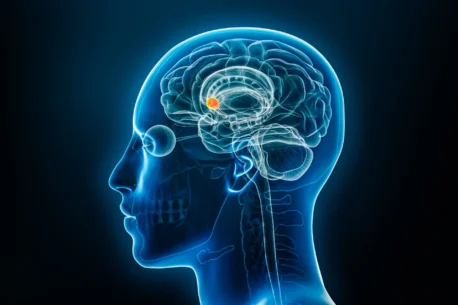
A Spatiomolecular Atlas of the Human Nucleus Accumbens (NAc)
Discover the groundbreaking insights from the Lieber Institute's new spatiomolecular atlas of the human nucleus accumbens (NAc). This pioneering research integrates single-cell and spatial transcriptomics, revealing the intricate cellular diversity and spatial organization of the NAc, a key player in reward neuroscience. With findings that bridge the gap between rodent and human data, this atlas not only enhances our understanding of psychiatric disorders but also opens new avenues for therapeutic development. Dive into the details of this transformative study and explore how it reshapes our approach to neuroscience and addiction research.

How Coexpression Networks Reveal the Trans-Regulatory Architecture of Schizophrenia Risk
A new study from the Lieber Institute for Brain Development, led by Rossi, Pergola, and colleagues, fundamentally challenges this cis-centric paradigm. By developing coexpression-informed frameworks that explicitly model trans-regulatory effects, the research team has identified 766 genes associated with schizophrenia in the Psychiatric Genomics Consortium wave 3 (PGC3) dataset, with 641 representing novel associations not captured by conventional TWAS approaches. This work demonstrates that incorporating distal regulatory mechanisms substantially expands our ability to map genetically regulated expression to disease risk.