


MEDIA CONTACT
Reach out to us at
media@libd.org
Resources

Why Your Brain’s “Reward Personality” Could Help Explain Differences in Drug Response
A landmark study published in the prestigious journal Nature Communications has identified two distinct "reward brain-response profiles" in humans, and the implications for mental health treatment are profound. For the millions of people living with schizophrenia, psychosis, and related conditions, many of whom cycle through medications for years searching for one that works, this research offers something genuinely rare: hope grounded in hard science.
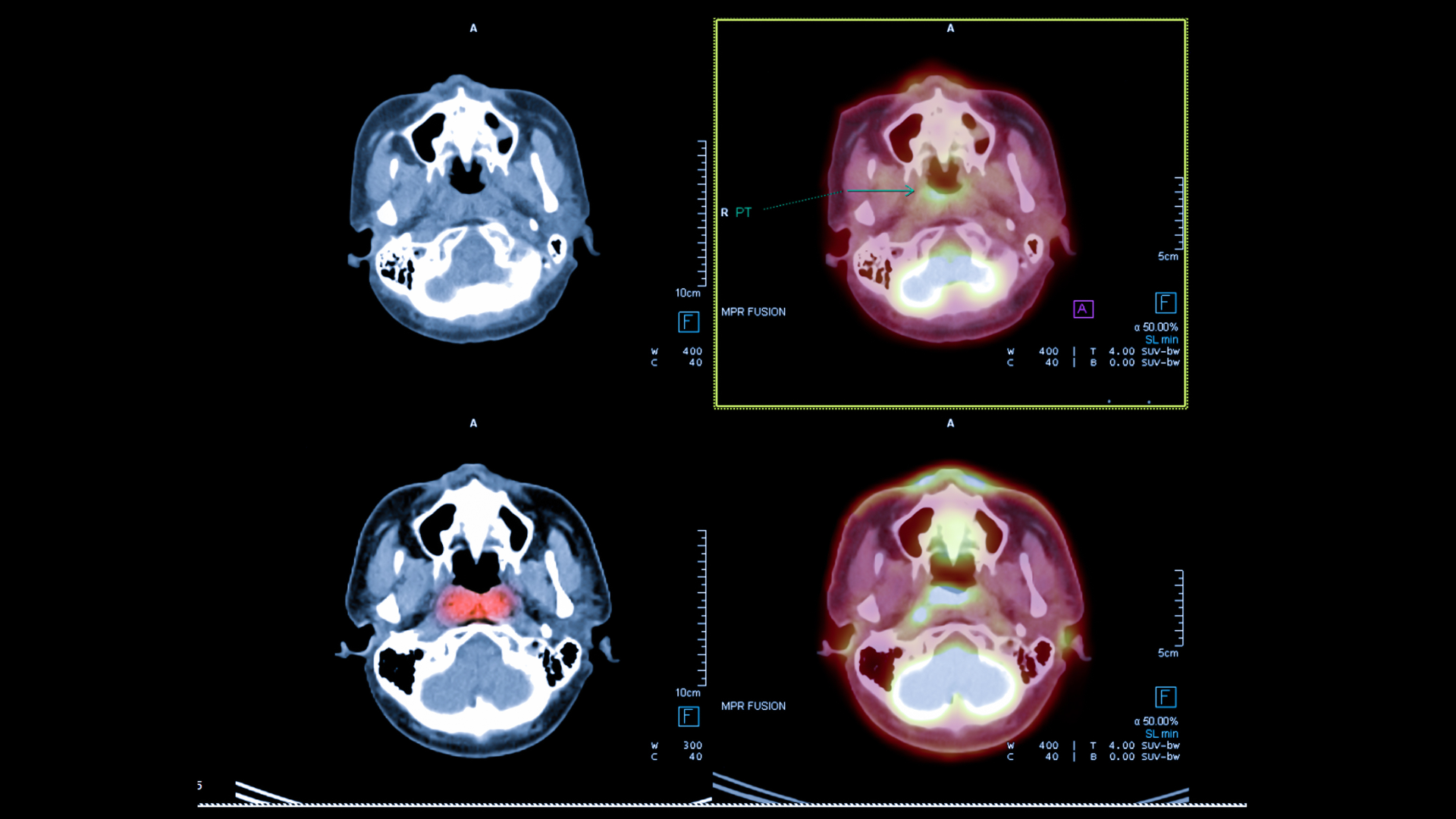
Dissecting Reward Heterogeneity: How Neuroimaging Phenotypes Are Redefining Dopaminergic Pharmacology in Psychiatry
new study identifies distinct patterns of reward processing in the human brain, revealing how individuals respond differently to dopamine-targeting medications. These findings offer new insights into the biological mechanisms underlying psychiatric disorders and lay the groundwork for more personalized approaches to psychiatric treatment.

Biology of Suicide
What if suicide is not only a psychological crisis, but a biological one? Dr. Daniel R. Weinberger explores what science is uncovering about suicide, the clues hidden within the brain, and why understanding its biology could help move us closer to prevention.
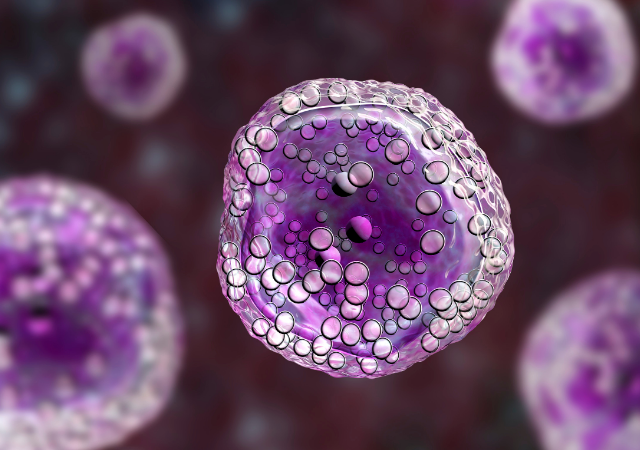
When Brain Cells Stop Listening to Each Other: New Research Unlocks a Hidden Key to Schizophrenia
What if schizophrenia isn't simply about genes that go wrong, but about brain cells that stop talking to each other properly?
That's exactly what groundbreaking new research from the Lieber Institute for Brain Development has uncovered. Published today in Nature Communications, this landmark study reveals that in schizophrenia, entire networks of genes lose their ability to coordinate, like a city's power grid failing not because one bulb burned out, but because the wiring between neighborhoods collapsed.